
"Aromatherapy is a universal healer, a therapy that brings harmony and balance to the body and mind"
- G.M
what are
ESSENTIAL OILS?
Essential oils are concentrated plant extracts that capture the natural aroma and beneficial properties of various plants. Here are some key points about essential oils:
- Extraction: They are typically obtained through methods like steam distillation or cold pressing, which preserve the plant's therapeutic qualities.
- Aromatherapy: Essential oils are commonly used in aromatherapy, where inhaling the scents is believed to promote relaxation, reduce stress, and improve mood.
- Therapeutic Uses: Different oils have various properties. For example, lavender is often used for relaxation, while tea tree oil has antiseptic qualities.
- Topical Application: Some essential oils can be applied to the skin (usually diluted with a carrier oil) for benefits like soothing muscle aches or enhancing skincare.
- Household Uses: They are also popular in natural cleaning products and air fresheners due to their pleasant scents and potential antimicrobial properties.
- Mind-Body Connection: Many users appreciate essential oils for their potential to enhance emotional well-being, support mindfulness practices, and create a calming environment.
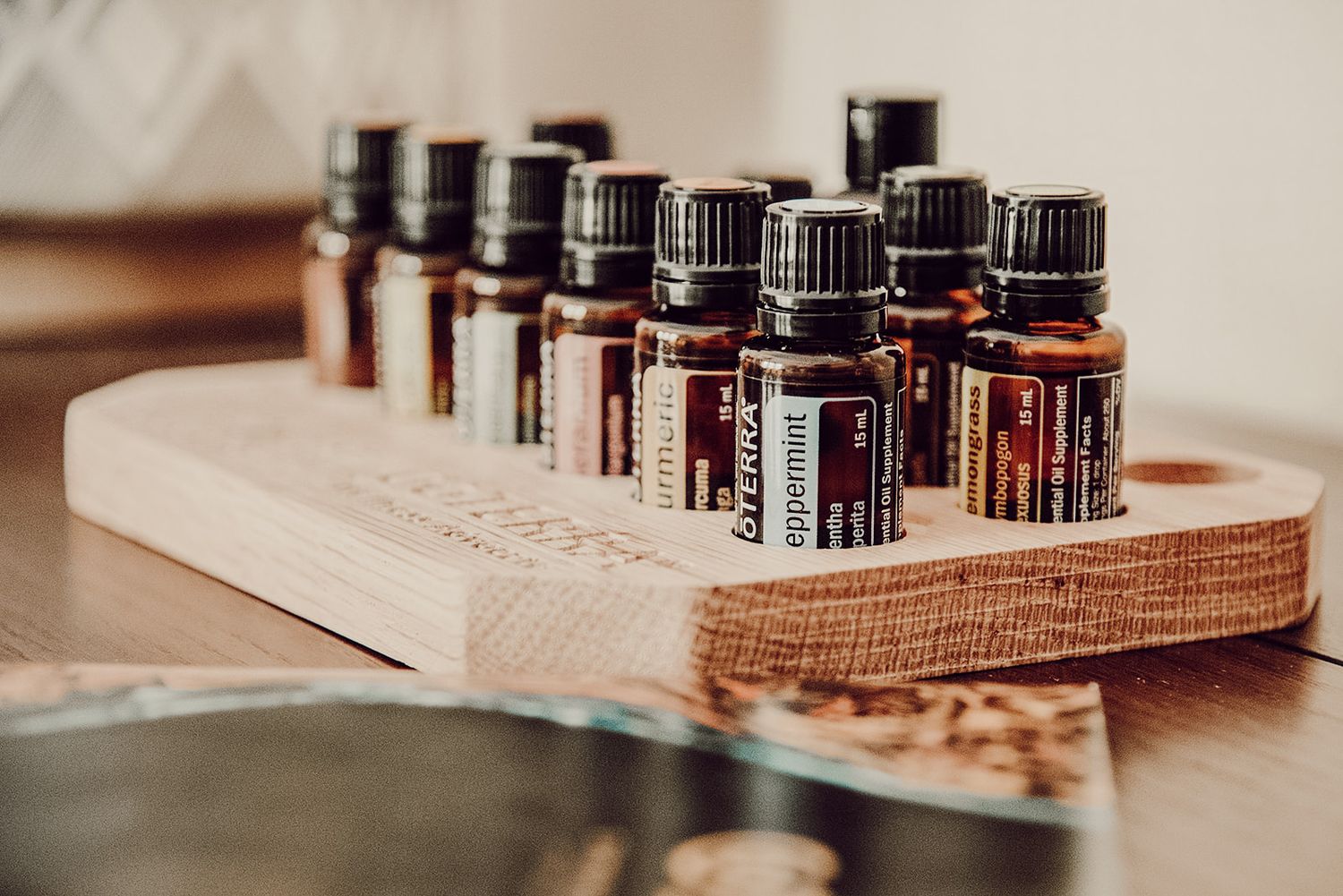
HOW IT WORKS
Volatile Compounds: Essential oils are made up of volatile organic compounds (VOCs) that can easily evaporate into the air. When inhaled, these compounds can interact with the olfactory system, which is closely linked to the brain's emotional centers, such as the limbic system. This interaction may influence mood and emotions.
- Aromatherapy: Inhalation of essential oils can stimulate receptors in the nasal cavity, leading to various physiological responses. For example, certain scents may trigger the release of neurotransmitters like serotonin or dopamine, promoting relaxation or mood enhancement.
- Antimicrobial Properties: Many essential oils possess natural antimicrobial properties, which can help inhibit the growth of bacteria, viruses, and fungi. This is often attributed to their chemical composition, such as phenols, terpenes, and aldehydes.
- Anti-inflammatory Effects: Some studies suggest that certain essential oils, like lavender or tea tree oil, can reduce inflammation in the body. This may be due to their ability to modulate the immune response or inhibit pro-inflammatory cytokines.
- Topical Absorption: When applied to the skin, essential oils can penetrate into the dermal layers. This absorption may provide localized benefits, such as pain relief or improved skin health, though it’s crucial to dilute them with carrier oils to avoid irritation.
- Individual Variation: The effectiveness of essential oils can vary widely among individuals due to factors like personal sensitivity, preferences, and the context in which they are used.